Al Ain City Tourism Guide: 7 Best Hidden Gems
Introduction: The UAE Without the Filter
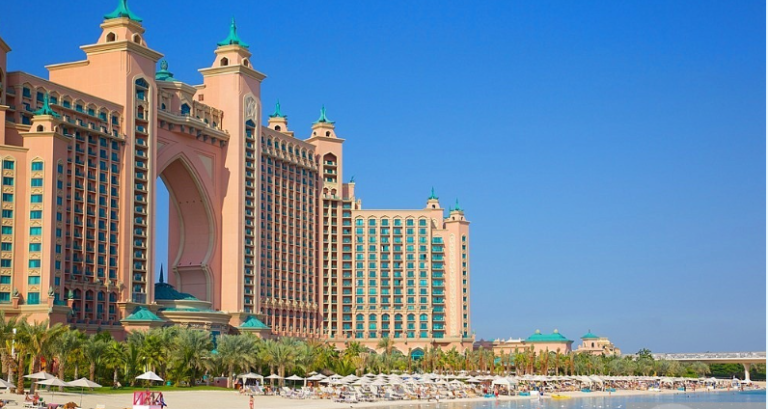
While Dubai’s glass-and-marble behemoths pierce the sky and Abu Dhabi’s coastal glitter catches the world’s attention, Al Ain city sits quietly in the desert, offering something the modern UAE cities can’t—space, silence, and a metric ton of palm trees. This is the UAE before the oil boom reshaped the landscape, where ancient forts still stand sentinel over date groves and mountain roads snake through terrain unchanged for millennia.
Named the Gulf Tourism Capital 2025, Al Ain is experiencing a remarkable tourism surge. The city recorded a 12% increase in hotel guests during the first half of 2025, welcoming approximately 228,000 visitors—evidence that travelers are discovering what locals have known for centuries: this Garden City offers an authentic slice of Emirati life that’s impossible to find amid the skyscrapers.
But al ain oasis isn’t just another tourist trap. This UNESCO World Heritage Site represents the birthplace of the UAE’s founding father, Sheikh Zayed bin Sultan Al Nahyan. Walking through its ancient streets means glimpsing royal life before the oil era—a time when water management, not luxury hotels, defined civilization’s success in the Arabian desert. The alain united arab emirates experience connects visitors directly to the soul of the nation, offering mountain drives, Bronze Age burial sites, and living traditions that continue to shape Emirati identity today.
Essential Logistics: Getting There and When to Go
Transportation: The Road Less Traveled
Driving remains the most convenient method to reach Al Ain city. From Dubai, the journey takes approximately 90 minutes via the E66 highway, where speed limits reach 140 km/h. From Abu Dhabi, expect about 1.5 to 2 hours of driving time along the E22 or E66 highways, with sections allowing speeds up to 160 km/h. The roads are exceptionally well-maintained—this is the UAE, after all—and the drive itself becomes part of the experience as urban sprawl gradually yields to date palm plantations and desert vistas.
Al Ain also has an international airport with regional connections, while Zayed International Airport in Abu Dhabi sits just 90 minutes away by car. However, having your own wheels proves invaluable for exploring the spread-out attractions efficiently.
Climate Considerations: Timing Is Everything
November through March offers perfect winter weather, making it the prime season for outdoor exploration. During these months, temperatures hover in the comfortable 15-25°C range, ideal for hiking Jebel Hafeet or cycling through the oasis pathways.
Avoid June through September unless you enjoy temperatures that can hit 50°C. The summer heat isn’t just uncomfortable—it’s genuinely dangerous for outdoor activities. From April to September, visitors who do come can find relief beneath the cool shade of oasis palm trees or dive into pools at attractions like Al Ain Adventure.
Cultural Sensitivity: Dress Code Matters
Al Ain city maintains a more conservative atmosphere than Dubai or even Abu Dhabi. Both men and women should cover shoulders and knees when visiting heritage sites, forts, and the oasis. Shorts may result in being turned away from certain attractions, so pack lightweight long pants and modest tops. This isn’t about restricting freedom—it’s about showing respect for a culture that has preserved its traditions for thousands of years.
Day 1: Heritage, Oases, and Authentic Market Culture
Morning: Al Jahili Fort—Where Desert Architecture Meets History
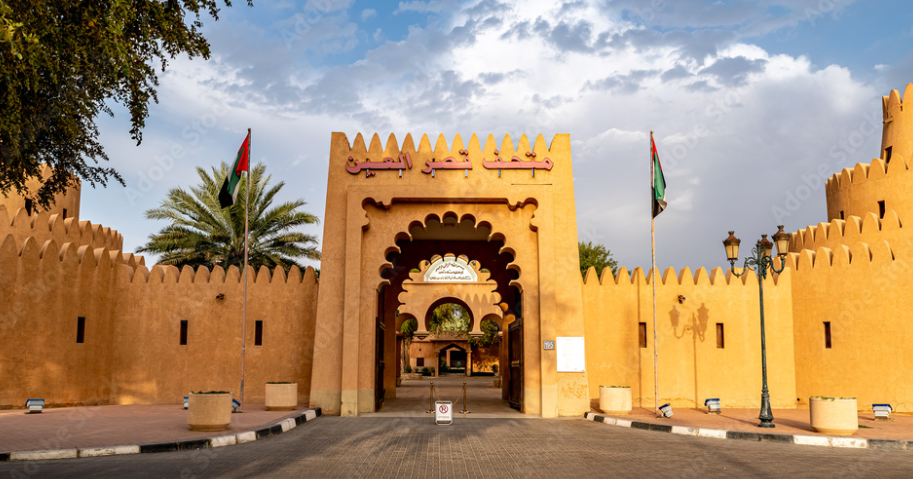
Start your alain united arab emirates adventure at Al Jahili Fort, one of the largest mudbrick fortifications in the country. This heritage site has experienced a 40% increase in visitors in early 2025, yet it still feels refreshingly uncrowded compared to Dubai’s tourist attractions.
The fort’s imposing walls and traditional round watchtower exemplify the defensive architecture that protected oasis communities for centuries. Inside, don’t miss the Wilfred Thesiger “Freedom of the Desert” exhibit, showcasing photographs and stories from the British explorer who documented Bedouin life in the 1940s. The vintage black-and-white images provide a stunning contrast to the modern UAE developing just beyond the fort’s walls.
The restoration work here is impeccable—you can walk through shaded courtyards and climb to vantage points that once allowed guards to spot approaching travelers (or raiders) from miles away. The fortress stands as a testament to the engineering ingenuity required to survive in one of the world’s harshest environments.
Midday: Al Ain Palace Museum—Royal Summer Residence
A short drive brings you to the former summer residence of Sheikh Zayed himself. The Al Ain Palace Museum was built by the former UAE President, Sheikh Zayed Bin Sultan Al Nahyan, and served as the family’s home from 1937 to 1966.
The palace grounds reveal what luxury meant before air conditioning and imported marble became standard. Traditional wind towers provide natural cooling, while the architecture maximizes shade and air circulation. Look for the iconic vintage Land Rover parked out front—a reminder that even royalty once relied on rugged four-wheel drives to navigate the desert, not the Ferraris and Lamborghinis now clogging Dubai’s streets.
The museum rooms preserve period furniture, family photographs, and artifacts that humanize the UAE’s rapid transformation. It’s one thing to read about going from Bedouin tents to skyscrapers in 50 years; it’s another to walk through the actual rooms where that transformation began.
Afternoon: Al Ain Oasis—Where Ancient Engineering Sustains Life
The al ain oasis deserves at least two hours of exploration. Dating back more than 4,000 years, this 1,200-hectare sanctuary contains over 147,000 date palm trees producing 100 varieties of dates. But what makes this UNESCO site truly remarkable isn’t just its size—it’s the 3,000-year-old falaj irrigation system that still supplies water to the palm gardens.
The falaj system uses gravity to channel water from underground wadis and mountain sources through a complex network of underground and surface channels. Water is extracted from underground sources without mechanical pumps, relying entirely on gravitational force. Walking along the shaded pathways, you’ll see these channels—they look almost like concrete gutters—still flowing with crystal-clear water that has sustained agriculture here since the Bronze Age.
The oasis is open daily from 9 AM to 7 PM with no entry fee. You can walk the paths or rent a bicycle to cover more ground. The temperature drops noticeably beneath the palm canopy, creating a microclimate that feels like a different world compared to the surrounding desert. Farmers still tend over 500 privately-owned plots using traditional methods, making this a living agricultural landscape rather than a preserved museum.
For refreshment, stop at Ethr café, tucked within the oasis grounds. Sipping Arabic coffee under the palms while watching sunlight filter through the date fronds creates one of those moments that justify the entire trip.
Late Afternoon: Al Ain Camel Market—Real Trading, Not Tourist Theater
Located about 15 kilometers from downtown on Zayed Bin Sultan Road, the camel market operates as a genuine trading hub where locals buy and sell camels, goats, and sheep—not a staged attraction designed to separate tourists from their money.
Trading peaks in the morning, but the corralled animals remain visible throughout the day. Arrive in the late afternoon and you’ll witness a different rhythm—handlers tending their animals, preparing for the next day’s negotiations, and the market’s authenticity on full display.
Pro tip: Learn to distinguish between racing camels (lean, long-legged, built for speed) and beauty camels (elegant necks, symmetrical humps, prized for competitions). The handlers take immense pride in their animals, and showing genuine interest—rather than treating them as photo props—earns respect and better interactions.
Entry is free, though traders may request payment for photographs. Haggling should bring asking prices down to 10-20 dirhams. The key is negotiating before you start snapping pictures, not after. And women should dress particularly conservatively here—this is a working livestock market, not a tourist attraction.
The market is dusty, noisy, pungent, and absolutely authentic. You’ll leave smelling like camel, but you’ll also carry memories of one of the few places in the UAE where traditions continue largely unchanged by modernity.
Day 2: Mountains, Wildlife, and Traditional Souqs
Morning: Jebel Hafeet—Driving the Desert’s Most Dramatic Road
Jebel Hafeet rises to 1,249 meters, making it Abu Dhabi’s tallest mountain and the UAE’s second-highest peak. But the real attraction isn’t the summit—it’s the 11.2-kilometer road with 60 hairpin turns that climbs from desert floor to mountain peak.
The Jebel Hafeet road ranks among the world’s most challenging drives due to its steep gradient and constant switchbacks. Viewpoints along the route offer cafés and photo opportunities with panoramic vistas of Al Ain city sprawling below. In winter months, cyclists tackle the ascent—a grueling test of endurance and will.
At the mountain’s base, don’t miss the Bronze Age Beehive Tombs. More than 500 tombs dating back 5,000 years to the Hafit period (3200-2600 BCE) dot the foothills. Danish archaeologists discovered ceramic vessels and copper artifacts during 1959 excavations, revealing trade connections with Mesopotamia, ancient Iran, and the Indus Valley.
The Jebel Hafit Desert Park now manages the site, offering guided hikes and various accommodation options from basic camping to luxury glamping tents. Spending a night here, beneath stars unobscured by city lights, connects you to the same landscape these Bronze Age inhabitants would have experienced.
Afternoon: Al Ain Zoo & Safari—Conservation in the Desert
Al Ain Zoo spans 217 hectares and operates as both a wildlife park and conservation center. The open desert safari section allows visitors to see animals in spacious, naturalistic enclosures rather than cramped cages. White tigers, giraffes, and the native Arabian Oryx (which was saved from extinction through captive breeding programs) represent just a fraction of the species housed here.
The zoo prioritizes education and conservation over entertainment, making it particularly suitable for families. Shaded pathways and air-conditioned rest areas provide relief from the heat, while interactive exhibits explain the challenges facing wildlife in arid environments. Plan for at least three to four hours to explore properly—this isn’t a quick photo-stop but a meaningful encounter with both exotic and indigenous species.
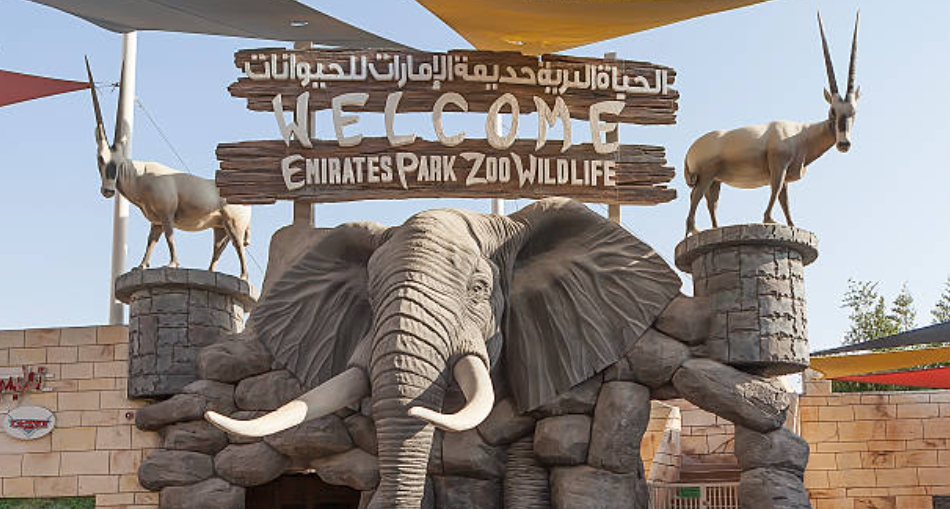
Evening: Souq Al Qattara—Where Locals Actually Shop
Forget the polished, tourist-oriented souqs in Dubai. Souq Al Qattara operates as a neighborhood market where residents purchase everyday essentials—saffron threads glowing golden in glass jars, dates in varieties you’ve never heard of, traditional handicrafts that locals actually use rather than items manufactured specifically for tourist sales.
Visit during the Traditional Handicrafts Festival (late October to mid-November) for live Emirati music, traditional dancing, and demonstrations of crafts like weaving and pottery. The festival transforms the souq into a celebration of cultural heritage, offering one of the most authentic experiences available in the UAE.
Even outside festival season, the souq rewards exploration. Strike up conversations with shopkeepers, sample dates with your Arabic coffee, and watch the social rituals that make traditional markets far more than mere shopping venues. This is where Al Ain city reveals its true character—not in grand attractions but in the daily rhythms of a community still rooted in tradition.
Where to Eat: Middle Eastern Flavors Done Right
Al Salehany: Local Cafeteria Excellence
For authentic, inexpensive Middle Eastern fare, Al Salehany delivers. Their chicken shawarma—rotisserie meat shaved thin, wrapped in fresh flatbread with pickles, tahini, and hot sauce—represents the gold standard. The hummus is creamy without being heavy, generously drizzled with olive oil and perfect for scooping with warm pita. Expect to pay a fraction of what similar (but inferior) meals cost in Dubai tourist areas.
Al Fanar: Emirati Cuisine in a 1960s Setting
Al Fanar recreates a 1960s Emirati atmosphere, complete with vintage décor and traditional seating options. The seafood platters showcase local fish preparations—grilled hammour, saffron-spiced prawns, and aromatic rice dishes that highlight Emirati cooking traditions. This is restaurant dining rather than street food, but prices remain reasonable and the authenticity doesn’t feel forced or tourist-oriented.
Madfoon Al Sada: Yemeni Comfort Food
The Yemeni community in the UAE has contributed significantly to the local food scene, and Madfoon Al Sada represents this cuisine at its best. Their signature madfoon—meat slow-cooked underground until it “collapses off the bone”—arrives fragrant with spices and paired with rice that has absorbed the cooking juices. Order the lamb madfoon and prepare for a meal that satisfies on a primal level.
Deep: Modern Coffee Culture Meets Tradition
Deep offers nitro cold brew that rivals anything in trendy Western cafés, alongside traditional Arabic coffee preparations. It’s the kind of place where young Emiratis meet to work on laptops while sipping third-wave coffee—proof that Al Ain city isn’t stuck in the past but thoughtfully integrating modern culture with traditional values.
Nuwa Sweets: Date Confections Elevated
Dates stuffed with pistachio and fig. Dates coated in dark chocolate. Dates transformed into energy balls with nuts and seeds. Nuwa Sweets takes the region’s signature fruit and creates modern confections that respect traditional ingredients. Purchase boxes to take home—these make far better souvenirs than anything sold in Dubai airport gift shops.
Where to Stay: Accommodation for Every Budget
Budget-Friendly: Aloft Al Ain
The Aloft sits near the stadium and offers modern, no-frills accommodation with a rooftop pool that provides welcome relief after desert exploring. Rooms are compact but functional, with the same contemporary design Aloft properties maintain globally. The location puts you within easy driving distance of major attractions without paying premium prices for heritage property stays.
Mid-Range: Pura Eco Retreat
For something truly distinctive, Pura Eco Retreat positions heritage-style tents at Jebel Hafeet’s foothills. Falling asleep to complete silence, with stars blazing overhead and the mountain looming above, creates memories no standard hotel can match. The tents include proper beds and en-suite facilities—this is glamping, not roughing it—but you’ll still wake to desert sunrise painting the rocks golden.
Luxury: Telal Resort
Telal Resort offers upscale accommodation on an oasis, complete with wildlife spotting opportunities. Gazelles and oryx frequently wander the grounds, creating an Arabian Nights fantasy that happens to be real. The resort balances luxury with environmental consciousness, using traditional architecture and sustainable practices while providing the pampering five-star guests expect. Infinity pools overlook date palms, spa treatments incorporate regional ingredients, and the isolation from city noise feels like a genuine escape.
Practical Tips & Cultural Etiquette
Alcohol Availability: Limited but Present
Unlike Dubai’s numerous bars and hotel lounges, Al Ain city maintains stricter alcohol policies. Specific hotel bars and off-licenses carry alcohol, but many local restaurants don’t serve it. Plan accordingly if you expect wine with dinner. The restriction isn’t about prohibition but respecting the city’s more conservative character.
Ramadan Considerations: Respect the Fast
During Ramadan, the city becomes noticeably quieter. Many restaurants close during daylight hours, and eating or drinking in public is discouraged while residents fast. Trading at the camel market adjusts to early morning hours. If you visit during Ramadan, use it as an opportunity to experience Emirati culture more deeply—attend iftar meals, witness the community aspects of breaking fast, and observe how the rhythm of daily life adapts to this sacred month.
Currency: Cash Still Matters
While malls accept cards, bring Dirhams in cash for the Camel Market and Souq Al Qattara. Small vendors often operate cash-only, and having bills ready makes transactions smoother. ATMs are readily available throughout alain united arab emirates, but withdrawing cash before heading to traditional markets saves time and hassle.
Environmental Responsibility
Since 2018, barbecuing on Jebel Hafeet has been prohibited due to littering concerns. This reflects growing environmental awareness, and visitors should support these efforts by disposing of waste properly and respecting protected areas. The desert may look empty, but it’s a fragile ecosystem that deserves care.
Frequently Asked Questions
Is Al Ain worth a day trip from Dubai or Abu Dhabi?
Technically, yes—you can visit key sites in one long day. However, a two-day stay allows for a “slower desert rhythm” that matches the city’s pace. Rushing through defeats the purpose of visiting a place that values patience and preservation over constant stimulation. Stay overnight to watch sunset from Jebel Hafeet, experience the oasis at different times of day, and explore without the pressure of a ticking clock.
Is there an entry fee for the Al Ain Camel Market?
No, the market is free to enter as it operates as a working livestock hub rather than a tourist attraction. However, expect to pay small amounts for photographs and definitely negotiate prices before snapping pictures.
Is Al Ain family-friendly?
Absolutely. The zoo and oasis offer extensive shaded paths and educational activities designed for children. The camel market fascinates kids (though prepare for questions about animal welfare and smells). Heritage sites like Al Jahili Fort provide enough visual interest to keep young attention spans engaged. Al Ain city offers a different kind of family vacation—one focused on learning and nature rather than theme parks and shopping malls.
How does Al Ain compare to Dubai and Abu Dhabi?
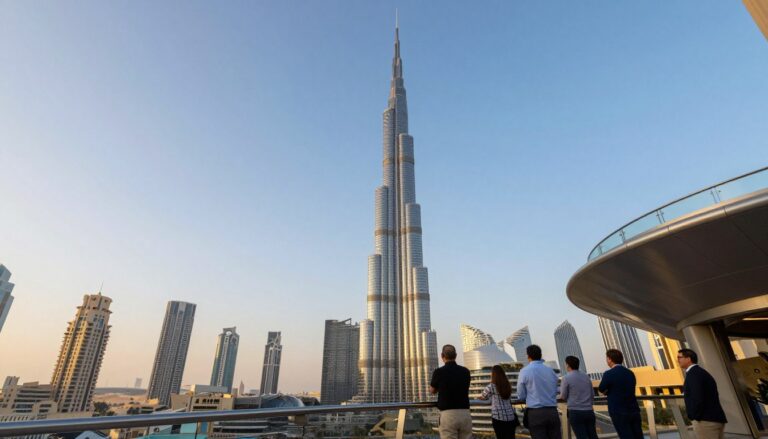
Think of it this way: if Dubai is rock ‘n’ roll and Abu Dhabi is jazz, then Al Ain is the classical music of the emirates. It’s quieter, more refined, and requires more active engagement to appreciate. You won’t find Burj Khalifa-style wow factors, but you will find authenticity, history, and space to breathe. For travelers exhausted by Dubai’s relentless energy, alain united arab emirates provides the antidote.
What’s the best way to experience the falaj irrigation system?
In the al ain oasis, look for sections where stairs descend to the water channels—you can sometimes dip your toes in the ancient falaj. The system is over 3,000 years old and still functions using gravity alone. Observing this engineering marvel in operation—no motors, no electricity, just physics and human ingenuity—provides a humbling perspective on technological progress.
Final Thoughts: Beyond the Tourism Brochure
Al Ain city doesn’t compete with Dubai’s audacity or Abu Dhabi’s grandeur. It doesn’t try. Instead, it offers something increasingly rare in the modern UAE—connection to the past, space to think, and experiences that feel authentic rather than manufactured for Instagram.
With tourism growth continuing into 2025 and recognition as both Gulf Tourism Capital and future Arab Tourism Capital for 2026, the city walks a delicate line between welcoming visitors and preserving character. So far, it’s succeeding. Attractions remain accessible without feeling overrun, locals continue daily traditions without performing for cameras, and the al ain oasis still functions as a working agricultural landscape rather than a preserved exhibit.
Visit before mass tourism transforms it into another Dubai. The bronze-age tombs, ancient irrigation systems, and traditional markets aren’t going anywhere, but the authentic atmosphere—the sense of discovering rather than consuming—is fragile. Alain united arab emirates rewards travelers who value depth over spectacle, history over novelty, and the space to experience a place without constant stimulation.
Pack modest clothing, bring curiosity instead of expectations, and prepare for a different UAE—one where silence speaks louder than skyscrapers, and palm trees outnumber tourists. This is the Garden City, and it deserves more than a day trip.