Dubai: The Unfiltered Truth About Living in the City 2026
Introduction: The Dubai Paradox
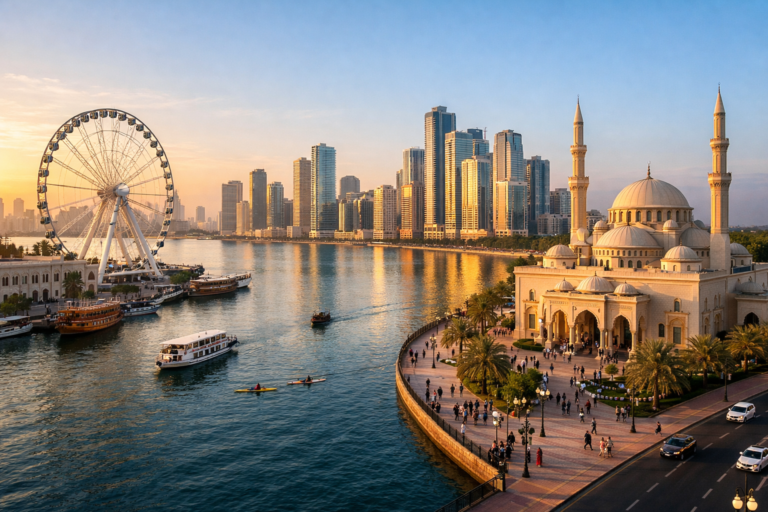
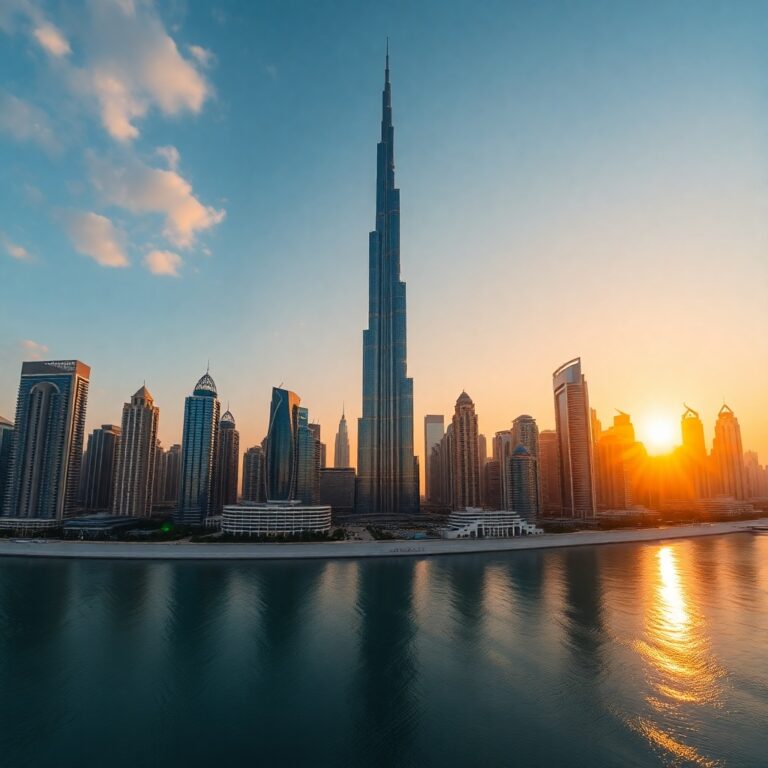
Scroll through Instagram, and Dubai city appears as an endless loop of infinity pools, gold-plated supercars, and Burj Khalifa sunsets. Switch to Reddit, however, and you’ll find a starkly different narrative—one filled with complaints about soul-crushing heat, transient friendships, and the relentless pressure to “keep up appearances.” This is the Dubai paradox: a city that simultaneously enchants and exhausts, seduces and suffocates.
From its humble origins as a pearling village in the 1960s to today’s gleaming metropolis of 3.6 million residents, Dubai has undergone one of history’s most dramatic urban transformations. But is this Middle Eastern marvel truly the land of opportunity it claims to be, or just an expensive mirage in the desert?
Quick Facts: Dubai at a Glance
| Metric | Data |
|---|---|
| Target Population by 2040 | 5.8 million |
| Global Safety Ranking | Top 10 worldwide |
| Income Tax Rate | 0% |
| Expat Population | ~90% of total residents |
| Average Annual Sunshine | 3,500+ hours |
The Financial Narrative: Beyond the Tax-Free Payslip
Let’s address the elephant in the room—or rather, the dirham in the wallet. The promise of Dubai is fundamentally financial: no income tax, no capital gains tax, and salaries that often come with housing allowances, annual flights home, and private school fees for your children.
For high earners, this translates to six-figure tax savings annually. A professional making $150,000 in London or New York might take home $90,000 after taxes; in Dubai, they pocket the full amount. Compounded over five years, that’s potentially $300,000 in additional savings—enough to fast-track retirement or build substantial wealth.
However, the “hidden” costs tell a different story. Rental properties in desirable neighborhoods typically require payment of an entire year’s rent upfront via post-dated cheques. A two-bedroom apartment in Dubai Marina can easily command AED 120,000 ($32,700) annually, payable in one to four installments. Then there’s the infamous “lifestyle creep”—the social pressure to frequent AED 500 brunches, join exclusive beach clubs, and maintain a wardrobe suitable for Dubai’s fashion-conscious culture.
The city has become particularly attractive to global High-Net-Worth Individuals (HNWIs), with recent data showing that 68% are considering residential property acquisition in the emirate. The combination of golden visas, world-class infrastructure, and strategic geographic positioning between East and West makes Dubai an irresistible proposition for the ultra-wealthy seeking a tax-efficient base.
Neighborhood Deep Dive: Where to Actually Live
Choosing where to plant roots in Dubai is crucial, as each neighborhood offers distinctly different lifestyles and price points.
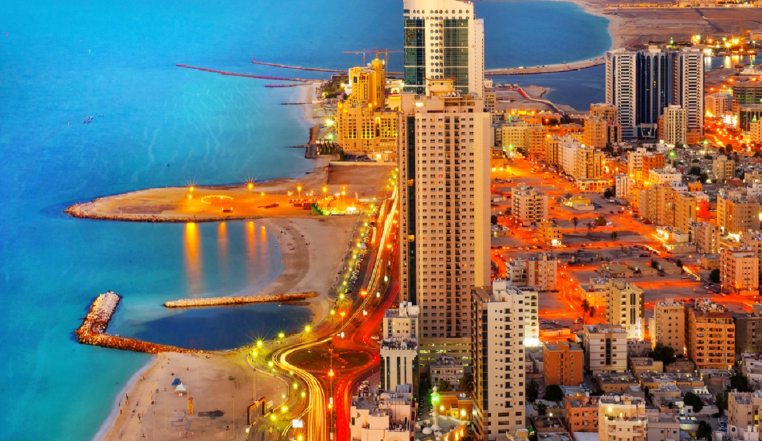
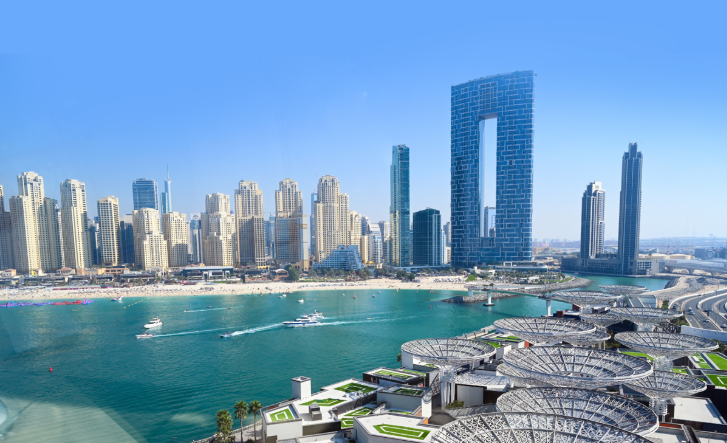
Dubai Marina remains the perennial favorite for singles and young couples. This high-rise, walking-friendly community offers waterfront dining, a seven-kilometer promenade, and proximity to JBR Beach. The vibe is cosmopolitan and social, with residents representing over 200 nationalities. Expect to pay premium prices for the convenience—studio apartments start around AED 70,000 ($19,000) annually.
Palm Jumeirah epitomizes quintessential luxury living. This artificial archipelago shaped like a palm tree offers beachfront villas, world-class resorts, and unparalleled privacy. It’s the address of choice for celebrities and executives willing to invest AED 200,000+ ($54,500+) annually for a two-bedroom apartment with direct beach access.
Downtown Dubai puts you at the epicenter of the action, literally in the shadow of Burj Khalifa. The neighborhood pulses with energy 24/7, offering proximity to Dubai Mall, the Opera District, and the famous fountains. The trade-off? Constant tourist crowds and premium pricing that matches the prestige address.
According to Knight Frank’s latest wealth report, the “up-and-comers” attracting serious investment include Dubai Hills Estate—a master-planned community offering a rare balance of greenery and urban convenience—and Emirates Hills, often dubbed the “Beverly Hills of Dubai,” where ultra-luxury villas command prices exceeding AED 50 million ($13.6 million).
Best Areas to Stay in Dubai:
- For young professionals: Dubai Marina, JBR
- For families: Arabian Ranches, Dubai Hills Estate
- For luxury seekers: Palm Jumeirah, Emirates Hills
- For downtown excitement: Downtown Dubai, Business Bay
- For budget-conscious: Discovery Gardens, International City
Lifestyle & Environment: The “Hair-Dryer” Weather vs. 20-Minute City
Let’s confront Dubai’s most challenging reality: the climate. From May through October, stepping outside feels like walking into a preheated oven set to “broil.” Temperatures routinely exceed 40°C (104°F), with humidity levels that make the air feel thick enough to swim through. Locals joke about timing outdoor activities in 15-minute increments—enough to get from air-conditioned car to air-conditioned destination without melting.
This eight-month stretch of “molten” heat takes an underestimated toll on mental health. Seasonal affective disorder runs in reverse here; instead of winter blues, residents experience summer imprisonment, confined indoors for the majority of the year. Many expats schedule their annual leave during the peak summer months simply to escape.
However, Dubai’s ambitious 2040 Urban Master Plan is working to address these challenges through the innovative “20-minute city” concept. The vision places 55% of residents within 800 meters of public transit stations, reducing car dependency and creating walkable, connected communities. The plan includes doubling public parks, developing “green corridors” with shaded walkways, and implementing advanced cooling technologies to combat the Urban Heat Island effect.
The city’s “green” pivot represents a fundamental shift in development philosophy. New projects now mandate green building certifications, incorporate vertical gardens, and utilize reflective building materials to reduce heat absorption. The Hatta Highlands development exemplifies this sustainability focus, transforming the mountainous enclave into an eco-tourism hub featuring hiking trails, sustainable lodges, and mountain sports facilities.
A candid warning, though: air quality remains a legitimate concern. Despite improvements, Dubai experiences periods of hazardous air quality levels, particularly during summer months when dust storms combine with vehicle emissions and construction particulates. Residents with respiratory conditions should carefully consider this factor.
Safety, Laws, and Social Dynamics
Dubai consistently ranks among the world’s safest cities, claiming the top spot globally for women’s safety and family security. Violent crime is virtually nonexistent, cars left unlocked often remain untouched, and women can comfortably walk alone at night. This safety stems partly from extensive surveillance systems and partly from strict legal enforcement.
Understanding Dubai’s legal “social contract” is essential. While cosmopolitan in appearance, the emirate operates under Sharia-inspired laws requiring behavioral adjustments from Western expatriates. Public displays of affection beyond hand-holding can attract legal consequences. Dress codes mandate modesty in public spaces—think “G-rating” rather than nightclub attire during daytime errands. Drug laws are exceptionally strict; even trace amounts or prescribed medications without proper documentation can result in imprisonment.
The social dynamics present perhaps the most unexpected challenge. With 90% of residents holding temporary visas, the city suffers from chronic transiency. Just as you develop close friendships, people rotate back home or move to their next assignment. This “transient trap” makes cultivating deep, lasting relationships difficult. Many long-term residents describe maintaining extensive networks of acquaintances but struggling to build the profound friendships that sustain emotional wellbeing.
Solo Female Travel & Living
Dubai serves as an excellent “Western” gateway to the Middle East for solo female travelers and residents. The city’s infrastructure, English prevalence, and international community make it remarkably accessible while offering authentic Middle Eastern cultural experiences.
Practical amenities enhance safety and comfort. The Metro system features women-only carriages at the front of each train, providing a comfortable commute option. Hotels, restaurants, and attractions maintain high standards familiar to Western travelers. Compulsory travel insurance requirements ensure visitors have financial protection, though medical costs remain high without coverage.
Solo women should observe local customs—covering shoulders and knees in traditional areas, avoiding excessive alcohol consumption in public, and maintaining awareness of cultural sensitivities around religious sites. Within these parameters, Dubai offers tremendous freedom, opportunity, and safety.
Dubai vs. Abu Dhabi: Which Emirate Wins?
The eternal question: Dubai or Abu Dhabi? Each offers distinct personalities catering to different preferences.
Dubai is gaudy, in-your-face, and unapologetically commercial. It’s the city that built the world’s tallest building, created artificial islands, and hosts the world’s largest shopping festival. Everything operates at maximum volume—bigger, faster, flashier. This energy attracts entrepreneurs, ambitious professionals, and those seeking constant stimulation.
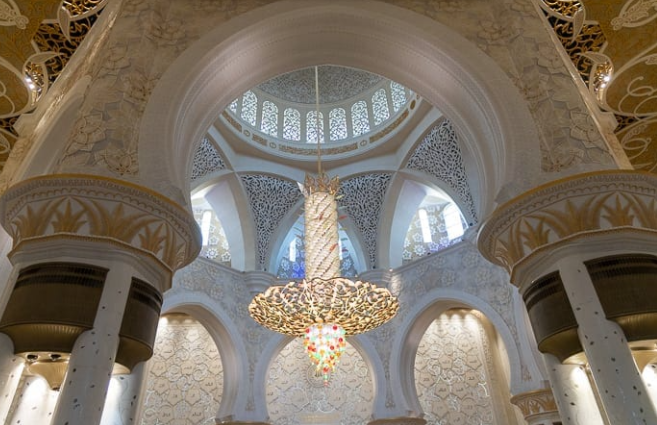
Abu Dhabi, conversely, presents as understated and traditional. The capital emirate prioritizes cultural institutions like the Louvre Abu Dhabi and Sheikh Zayed Grand Mosque over megamalls and record-breaking attractions. It moves at a slightly slower pace, attracts more government workers and oil industry professionals, and maintains stronger connections to Emirati heritage.
The verdict? Abu Dhabi is to discover; Dubai is to enjoy. Choose Abu Dhabi for cultural depth, family-friendly stability, and measured growth. Choose Dubai for career acceleration, social dynamism, and that indefinable buzz of a city perpetually reinventing itself.
Future Outlook: The Hatta Highlands & Beyond
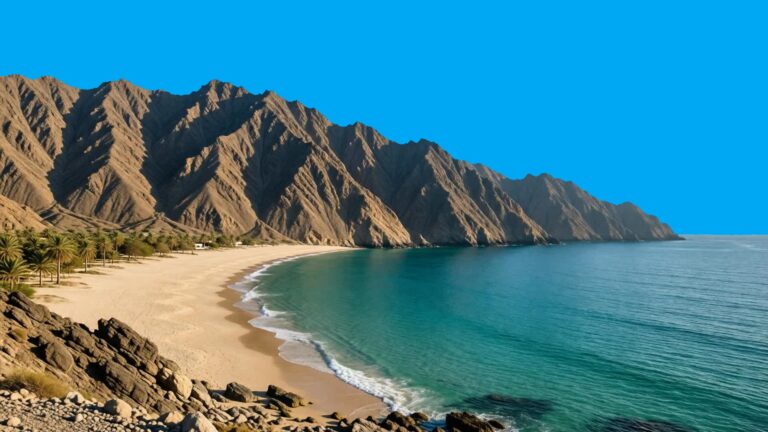
Dubai’s 2040 vision extends beyond coastal development into sustainable mountain escapes. The Hatta Highlands project transforms the rugged enclave bordering Oman into an adventure tourism destination featuring eco-lodges, mountain biking trails, kayaking facilities, and heritage village preservation. This development represents Dubai’s recognition that not all growth should manifest as vertical towers and shopping complexes.
The broader 2040 goal positions Dubai as “the world’s best city for living” through strategic population doubling, economic diversification beyond real estate and tourism, and infrastructure investments prioritizing quality of life over mere spectacle. Plans include expanding the Metro to serve 91% of residents within 800 meters, creating 60 new urban centers to decentralize development, and establishing Dubai as a global hub for artificial intelligence, blockchain, and sustainable technology.
Whether these ambitions materialize remains to be seen, but Dubai’s track record of achieving seemingly impossible goals—from Palm Jumeirah to Burj Khalifa—suggests betting against the city’s vision would be unwise.
Final Verdict: Is Moving to Dubai Worth It?
The honest answer depends entirely on your priorities, timeline, and tolerance for trade-offs.
Consider Dubai if you:
- Prioritize rapid wealth accumulation through tax savings
- Thrive in transient, cosmopolitan environments
- Can tolerate extreme heat for financial reward
- Value safety, luxury, and world-class infrastructure
- Seek short-term pain for long-term financial freedom
- Enjoy a fast-paced, commercial lifestyle
Think twice if you:
- Crave deep cultural roots and lasting friendships
- Struggle with extreme heat or air quality issues
- Prefer understated, authentic experiences
- Find superficiality and materialism draining
- Want work-life balance over career acceleration
- Value democratic freedoms and social liberties
Dubai works brilliantly as a strategic five-to-seven-year stint—a period to accelerate your career, accumulate savings, and experience an utterly unique environment before returning home with a significantly enhanced financial position. As a permanent home, it requires accepting that you’ll always be a temporary resident in a city that rebuilds itself every decade.
The Instagram facade isn’t exactly false, but neither is the Reddit reality. Dubai is simultaneously both: a genuine opportunity for financial transformation wrapped in a shopping mall, where you can build wealth faster than almost anywhere on Earth, provided you can handle living in a perpetual summer where friendships have expiration dates and everything comes with a price tag—hidden or otherwise.
The city of gold glitters brightest for those who arrive with clear objectives, realistic expectations, and a planned exit strategy. For everyone else, it might just prove to be fool’s gold in the desert sun.