The Ultimate Guide to Planning Your Dubai Trip: The Best Time to Visit Dubai
Planning Your Dubai Trip
Choosing the best time to visit Dubai can make or break your Arabian adventure. This gleaming metropolis transforms throughout the year, offering vastly different experiences depending on when you arrive. From the perfect beach weather of winter to the incredible value of summer, Dubai proves it’s truly a year-round destination—if you know when to go.
The short answer? November to February is the “Golden Season” for ideal weather and outdoor exploration, while June to August is the “Value Season” for experiencing five-star luxury at budget-friendly prices. But there’s much more to consider when planning your trip to this extraordinary city.
Key Takeaways at a Glance
- Best weather: November to March (20°C–30°C)
- Cheapest time to visit Dubai: June to August (hotel discounts up to 50%)
- Best for shopping: December to January during Dubai Shopping Festival
- Avoid crowds: May and September offer fewer tourists with reasonable weather
- Cultural immersion: Visit during Ramadan for authentic experiences and lower rates
The “Golden Season”: Winter in Dubai (November–March)
If perfect weather tops your priority list, the Dubai peak tourist season from November through March delivers exactly what you’re looking for. During these months, daytime temperatures hover between a comfortable 24°C and 30°C, with pleasantly cool evenings that make outdoor dining a joy rather than an endurance test.
Why Winter is Prime Time
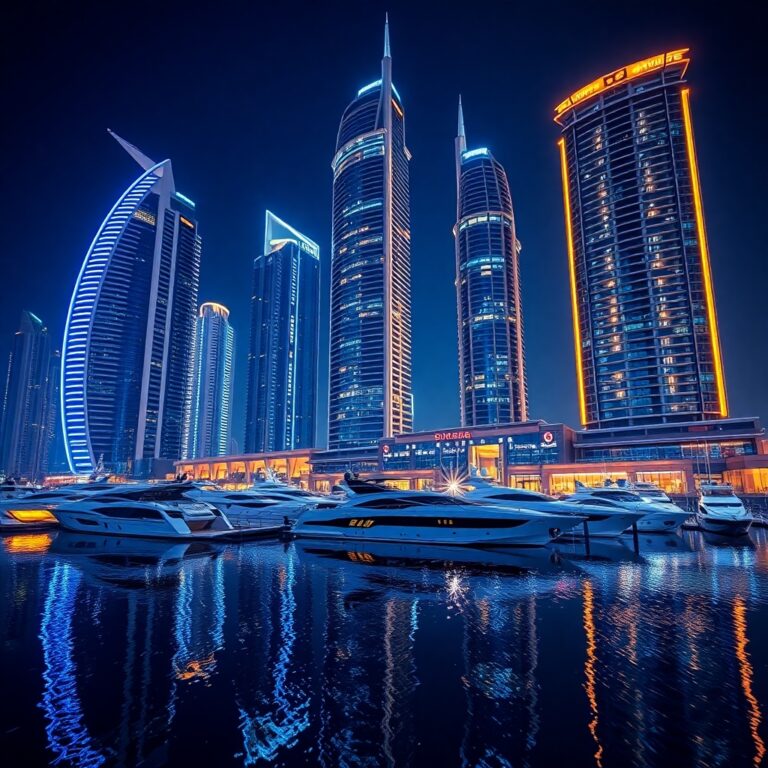
This is when Dubai truly shines for outdoor enthusiasts. The weather allows you to explore the architectural marvels of Dubai Marina on foot, embark on thrilling desert safaris without melting, and enjoy al fresco dining along the Dubai Creek. The city comes alive with energy as both tourists and locals take advantage of the spectacular conditions.
Winter brings exclusive seasonal attractions that don’t operate during the scorching summer months. Global Village opens its doors, offering a cultural journey through pavilions representing over 75 countries. The Dubai Miracle Garden blooms with over 150 million flowers arranged in breathtaking displays—including life-sized airplanes and castles made entirely of petals.
The Winter Trade-Off
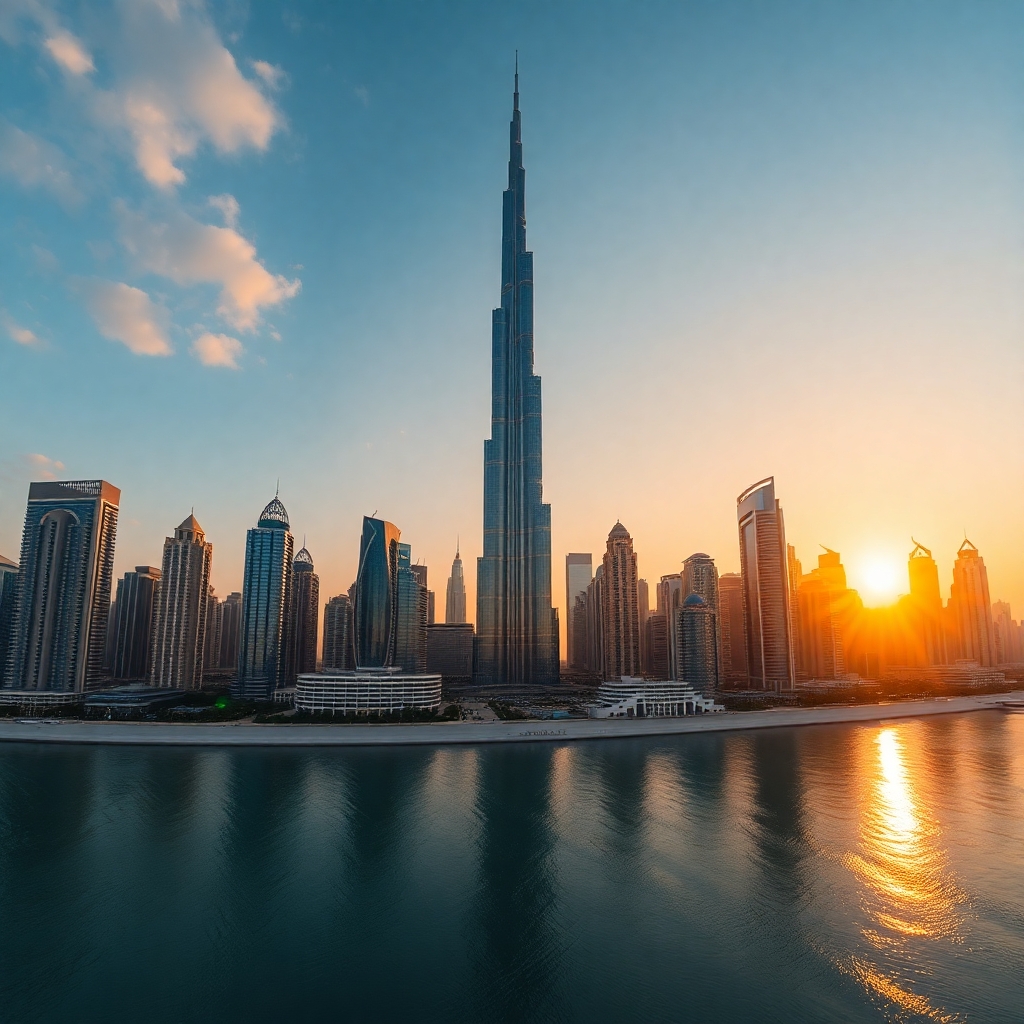
Paradise comes with a price tag. During peak season, expect larger crowds at major attractions like the Burj Khalifa and Dubai Mall. Flight prices surge, and hotel rates can double compared to summer months. Popular restaurants require advance reservations, and you’ll need to book desert safari tours weeks ahead to secure your spot.
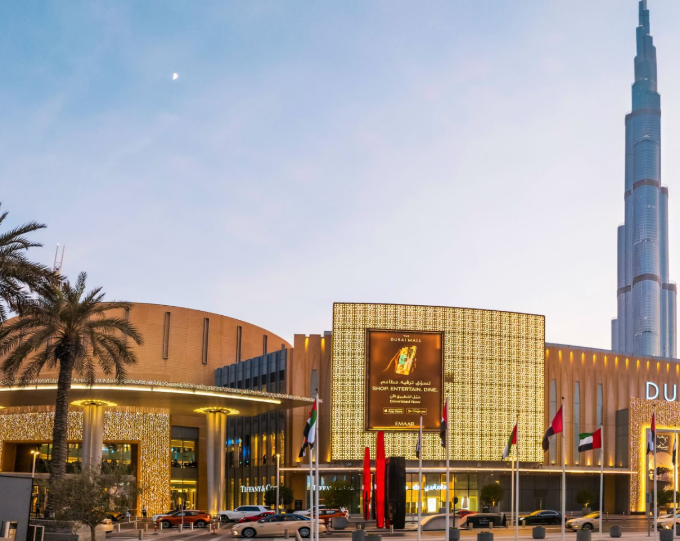
The “Shoulder Seasons”: Finding the Sweet Spot (April–May & September–October)
The transition months offer an often-overlooked opportunity for savvy travelers seeking the best of both worlds. April, May, September, and October provide a strategic middle ground between optimal weather and reasonable pricing.
The Balanced Approach
During shoulder season, you’ll still enjoy around 10 hours of daily sunshine with temperatures that are warm but manageable—typically ranging from 29°C to 35°C. Yes, it’s warmer than winter, but it’s far from the intensity of peak summer heat.
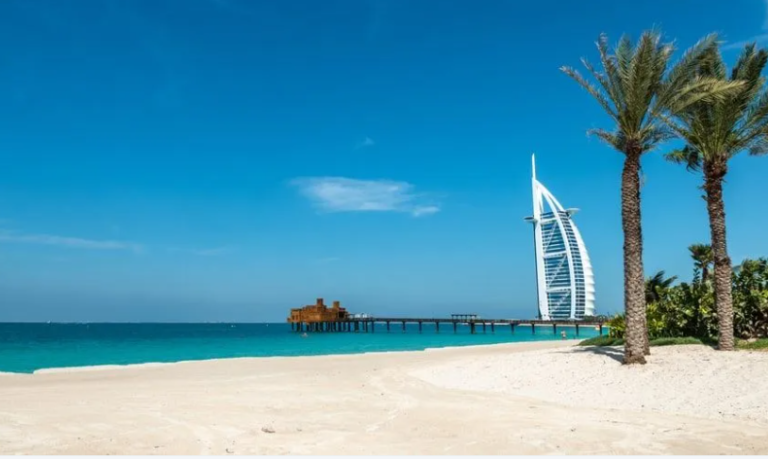
These months are particularly ideal for beach activities and water sports. The Arabian Gulf reaches a refreshing temperature that’s perfect for swimming—warm enough to be comfortable but not yet the “bath water” warmth of late summer. Attractions like Aquaventure Waterpark at Atlantis The Palm see shorter queues, meaning more time on slides and less time waiting.
The Budget-Conscious Traveler’s Window
Here’s where shoulder season really shines: prices begin their significant descent. By May and October, you can secure luxury accommodations at 30-40% below peak rates. It’s the perfect timing for travelers who want to experience Dubai’s opulence without the premium price tag while still enjoying reasonably pleasant weather.
The “Value Season”: Summer in Dubai (June–August)
Let’s address the elephant in the room: yes, Dubai gets hot in summer. Really hot. Temperatures regularly soar to 40-41°C, with humidity that can make it feel even more intense. But dismissing summer as impossible for tourism would be a costly mistake.
Dubai: The World’s Best-Prepared City for Heat
Dubai has invested billions in creating what might be the world’s most sophisticated air-conditioned urban environment. The Dubai Metro stations are climate-controlled marvels. Taxi queues are covered and cooled. The city’s megamalls—Mall of the Emirates, Dubai Mall, and Ibn Battuta Mall—aren’t just shopping centers; they’re complete entertainment ecosystems where you can spend entire days in perfect comfort.
Summer’s Hidden Advantages
Indoor entertainment reaches new heights during summer months. At Ski Dubai, you can literally ski in -4°C temperatures while it’s 45°C outside—an experience that perfectly captures Dubai’s audacious spirit. Indoor theme parks like IMG Worlds of Adventure and Warner Bros. World Abu Dhabi (just an hour away) offer world-class thrills without breaking a sweat.
Many luxury hotels adapt to summer with creative solutions: temperature-controlled pools, after-sunset swimming sessions, and rooftop venues that only open once the sun sets and temperatures drop to more tolerable levels.
The Financial Sweet Spot
This is the cheapest time to visit Dubai, period. Five-star resorts slash rates by 40-60%, and “Kids Go Free” packages become commonplace. You can stay at properties that would cost $500 per night in winter for $200 in July. For families and budget-conscious travelers willing to embrace indoor activities, summer delivers unbeatable value.
Special Events: Shopping Festivals and Cultural Celebrations
Dubai Shopping Festival: A Shopper’s Paradise
Running typically from late December through January, the Dubai Shopping Festival (DSF) transforms the city into a retail wonderland. Discounts range from 25% to 90%, with particularly aggressive deals on electronics at the Dubai Mall and gold at the traditional Gold Souk.
But DSF is more than just shopping. The city stages spectacular fireworks displays, celebrity concerts, and street performances that create a festival atmosphere throughout Dubai. It’s when the city’s already impressive energy reaches fever pitch.
Ramadan: Dubai’s Cultural Heart
Visiting Dubai during Ramadan (expected in March 2025) offers a completely different perspective on this modern metropolis. During daylight hours, the city takes on a quieter, more contemplative atmosphere as Muslims observe the fast.
For tourists, Ramadan presents unique advantages. Hotel rates drop significantly, major attractions like the Burj Khalifa see shorter queues, and you can experience authentic Iftar (breaking fast) feasts at hotels and the Sheikh Mohammed Centre for Cultural Understanding. The post-sunset energy is electric, with night markets, special prayers, and a sense of community that reveals Dubai’s spiritual side.
Respectful visitors who dress modestly and avoid eating or drinking in public during fasting hours will find themselves welcomed into one of Islam’s most sacred traditions.
Month-by-Month Planning Guide
| Month | Avg High | Season Type | Key Highlights |
|---|---|---|---|
| January | 24°C | Peak | Dubai Shopping Festival, Dubai Desert Classic golf |
| February | 25°C | Best Weather | Taste of Dubai food festival, Literature Festival |
| March | 29°C | Transition | Ramadan 2025 expected, last outdoor sports events |
| April | 33°C | Beach Season | Eid celebrations, final weeks for Dubai Miracle Garden |
| May | 38°C | Value Begins | Dubai Food Festival, Arabian Travel Market |
| June | 40°C | Indoor Focus | Dubai Summer Surprises begins |
| July | 41°C | Budget Peak | Summer Surprises continues, indoor theme parks |
| August | 41°C | Hottest | Maximum hotel discounts, staycation deals |
| September | 39°C | Transition | Warmest sea temperatures for water sports |
| October | 35°C | Outdoor Returns | Dubai Miracle Garden and Global Village reopen |
| November | 31°C | Season Starts | Formula 1 Abu Dhabi Grand Prix, Rugby Sevens |
| December | 26°C | Peak Festive | Christmas markets, New Year’s Eve fireworks, DSF begins |
Expert Tips for Timing Your Visit
Book strategically: For winter travel, secure flights and hotels 3-6 months in advance to avoid price surges and sold-out properties.
Avoid weekend crowds: Saturday and Sunday are when local residents flock to attractions. Visit the Burj Khalifa, Aquaventure, and desert safari companies midweek for significantly shorter waits.
Use the Metro: Dubai’s ultra-modern Metro system connects major malls and attractions with air-conditioned comfort, helping you avoid heat exposure during shoulder and summer seasons.
Consider attraction passes: Multi-attraction packages that include the Burj Khalifa, desert safaris, dhow cruises, and theme parks can save 20-30% compared to individual tickets.
Making Your Decision: Which Season is Right for You?
The best time to visit Dubai ultimately depends on your priorities:
Choose winter (November-March) if outdoor activities, perfect weather, and seasonal attractions like Global Village matter most—and you’re willing to pay premium prices and navigate larger crowds.
Choose shoulder season (April-May, September-October) if you want reasonable weather, fewer tourists, and significant savings while still enjoying outdoor activities during early morning and evening hours.
Choose summer (June-August) if experiencing five-star luxury at budget prices appeals to you, and you’re comfortable with an indoor-focused itinerary supplemented by evening outings.
Choose Ramadan if cultural immersion interests you more than conventional tourism, and you’re respectful of local customs during this sacred month.
Start Planning Your Dubai Adventure
Dubai welcomes millions of visitors every month of the year, each discovering the city in a unique way. Whether you’re drawn by the perfect weather of February, the incredible deals of July, or the cultural richness of Ramadan, this dynamic destination delivers unforgettable experiences.
Check the 2026 dates for the Dubai Shopping Festival and Ramadan now to begin planning your trip. The city that built the world’s tallest building, created islands shaped like palm trees, and put a ski slope in the desert is waiting to show you that in Dubai, any time can be the perfect time—if you plan it right.