
Fujairah 7 Reasons Why It Beats Jumeirah for Real Travel
When most travelers hear “Jumeirah,” they immediately think of Dubai’s glamorous beachfront district, home to the iconic Burj Al Arab and pristine stretches of sand along the Arabian Gulf. But there’s another UAE destination that offers something entirely different—and arguably more authentic. Welcome to Fujairah, the UAE’s best-kept secret that delivers what Jumeirah can’t: unspoiled natural beauty, genuine Arabic hospitality, and an escape from the glitz that defines most of the Emirates.
If you’re wondering where is Jumeirah in relation to Fujairah, you’re asking the right question. While Jumeirah city sits on Dubai’s western coast facing the Persian Gulf, Fujairah occupies the UAE’s entire eastern seaboard along the Gulf of Oman. This geographical distinction makes all the difference, transforming Fujairah into a destination that feels worlds away from the urban sprawl of Dubai and the tourist-heavy streets of Jumeirah.
What Makes Fujairah the UAE’s Most Underrated Destination?
Fujairah stands alone among the seven Emirates as the only one located entirely on the east coast. This unique position has shaped its character in profound ways. While Jumeirah beach areas have been meticulously developed into luxury residential communities and five-star resort zones, Fujairah has retained an old-world charm that harks back to the UAE’s pre-oil days.
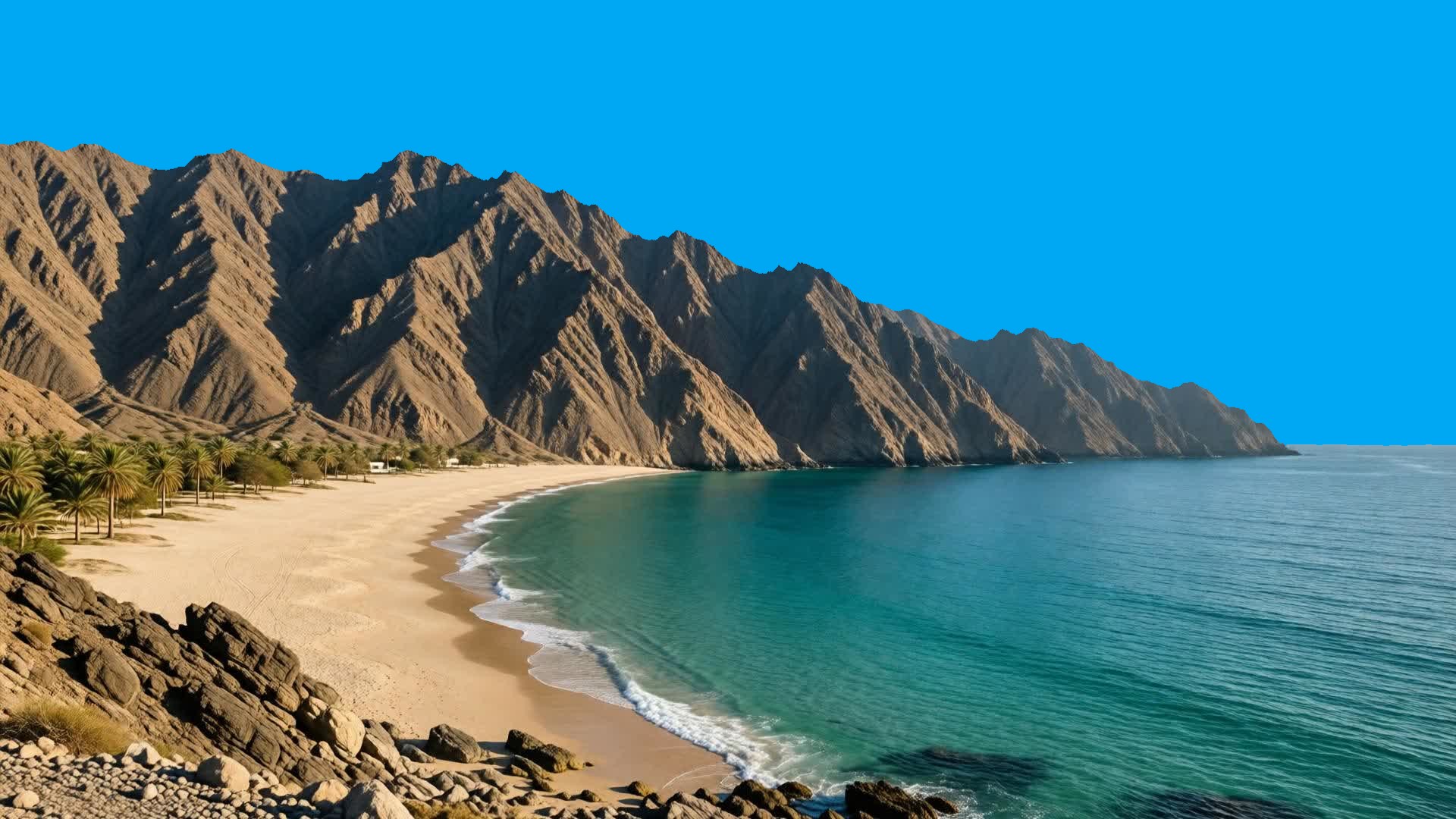
With a population of approximately 316,000, Fujairah operates at a completely different pace than Dubai’s Jumeirah district, where traffic congestion and tourist crowds are daily realities. Here, you’ll find a landscape dominated by the dramatic Hajar Mountains—ancient rock formations that rise directly from the coastline—creating a backdrop that no amount of architectural ambition in Jumeirah city could replicate.
Beyond its scenic advantages, Fujairah serves as a global maritime hub, with one of the world’s busiest bunkering ports. Yet despite this industrial significance, the emirate has preserved pristine beaches, protected wadis (valleys), and cultural heritage sites that offer travelers an authentic glimpse into traditional Emirati life—something increasingly difficult to find in the more commercialized areas of the UAE.
Historical Treasures That Predate Dubai’s Modern Marvels
Fujairah Fort: Where Emirati History Comes Alive
Built around 1670, Fujairah Fort holds the distinction of being the oldest fort in the UAE. Unlike the ultra-modern architecture that defines Jumeirah’s skyline, this fortification tells a story of defense, royal residence, and strategic importance that spans more than three centuries. The fort’s weathered walls and commanding position overlooking the old town demonstrate the ingenuity of Emirati ancestors who built to withstand both human threats and the harsh desert climate.
Walking through Fujairah Fort feels like stepping back in time. The structure served multiple purposes throughout its history—functioning as a royal residence, administrative center, and defensive stronghold. Today, it stands as a powerful reminder that the UAE’s story extends far beyond the gleaming towers and artificial islands that have become synonymous with destinations like Jumeirah.
Al Bidyah Mosque: The UAE’s Oldest Place of Worship
Dating back to 1446, Al Bidyah Mosque (also known as the Ottoman Mosque) represents Islamic architectural heritage at its most authentic. This humble structure, with its distinctive four-domed design, has been in continuous use for nearly six centuries—a testament to the enduring faith and community of this region.
The mosque’s simple mud-brick construction and compact size stand in stark contrast to the grand Sheikh Zayed Mosque in Abu Dhabi or the ornate mosques found throughout Jumeirah. Yet this simplicity carries its own power, offering visitors a tangible connection to the early days of Islam in the Arabian Peninsula. The mosque can accommodate only about 70 worshippers, creating an intimate spiritual space that modern mega-mosques cannot replicate.
Sheikh Zayed Mosque: Fujairah’s Grand Islamic Statement
While smaller than its namesake in Abu Dhabi, Fujairah’s Sheikh Zayed Mosque commands attention as the second-largest mosque in the UAE. Featuring 65 domes and six minarets that soar 100 meters into the sky, this architectural masterpiece blends traditional Islamic design with contemporary engineering.
The mosque serves Fujairah’s Muslim community while welcoming non-Muslim visitors who wish to appreciate Islamic art and architecture. Its size and grandeur demonstrate that Fujairah, despite its more modest profile compared to Dubai and Jumeirah, possesses the same capacity for ambitious architectural projects—it simply chooses to balance modernization with preservation of natural and cultural heritage.
Fujairah Museum: Ancient Artifacts Tell Timeless Stories
The Fujairah Museum houses one of the UAE’s most impressive collections of archaeological artifacts, spanning from the Bronze Age through the Iron Age and into the Islamic period. Among its treasures is a remarkably preserved 2,200-year-old ostrich egg bowl—a delicate reminder of the sophisticated civilizations that once thrived in this region.
Unlike the flashy, interactive museums found in Dubai’s tourist districts, Fujairah Museum takes a more scholarly approach, allowing artifacts to speak for themselves. Exhibits include ancient weaponry, traditional jewelry, and pottery that reveal the trading connections between this coastal region and distant civilizations. For history enthusiasts, this museum offers insights that no amount of time spent in Jumeirah’s shopping malls could provide.
Hidden Fortifications: Al Hayl, Al Bithnah, and Awhala
Beyond the famous Fujairah Fort, the emirate harbors several lesser-known fortifications that deserve attention. Al Hayl Castle, built approximately 250 years ago, perches on a rocky outcrop offering panoramic views of the surrounding date palm oases and agricultural lands. Al Bithnah Fort guards the strategic mountain pass that connects the east and west coasts of the UAE, while Awhala Fortress demonstrates the architectural adaptations required for desert survival.
These structures receive a fraction of the visitors that flock to Jumeirah’s modern attractions, making them ideal for travelers seeking quieter, more contemplative experiences. Each fort tells a story of tribal alliances, trade route protection, and the constant vigilance required to survive in Arabia’s harsh environment.
Natural Wonders: Adventures You Won’t Find in Jumeirah
Wadi Wurayah National Park: The UAE’s Mountain Paradise
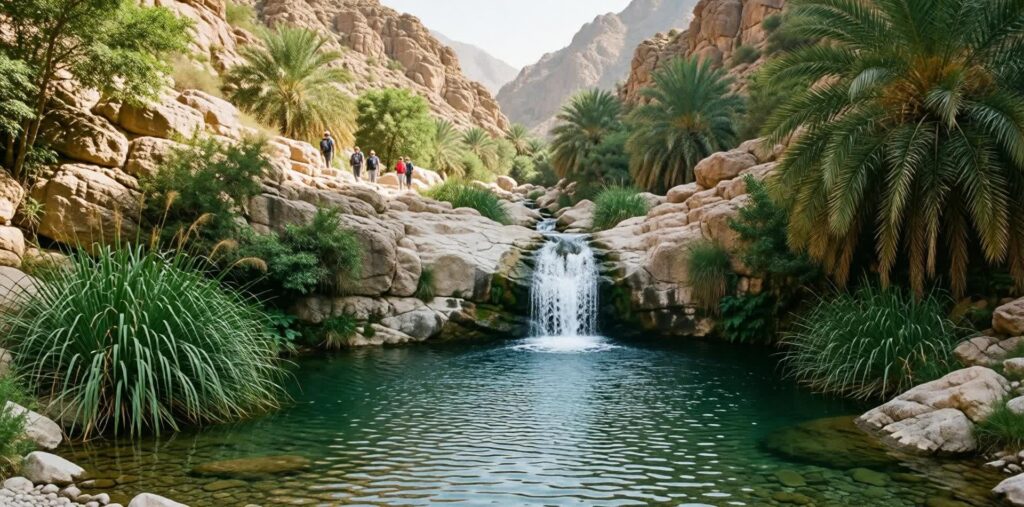
Designated as the UAE’s first mountain protected area, Wadi Wurayah National Park encompasses ecosystems that seem impossible in a country often associated solely with desert landscapes. The park features year-round waterfalls, freshwater pools, and biodiversity that includes rare species like the Arabian Leopard, Arabian Caracal, and over 100 species of birds.
Hiking through Wadi Wurayah provides a stark counterpoint to strolling along Jumeirah Beach Walk. Instead of designer boutiques and air-conditioned cafes, you’ll navigate rocky trails, discover hidden pools perfect for swimming, and experience the profound silence of mountain wilderness. The park’s relatively undeveloped infrastructure means you’ll need proper preparation—bring plenty of water, wear appropriate footwear, and consider hiring a local guide for the more challenging routes.
The ecological importance of Wadi Wurayah cannot be overstated. It serves as a crucial watershed for the region and provides habitat for species found nowhere else in the UAE. Conservation efforts here represent a commitment to environmental stewardship that balances development with preservation—a philosophy that sets Fujairah apart from more commercially focused emirates.
Snoopy Island: Where Marine Life Takes Center Stage
Snoopy Island, named for its supposed resemblance to the famous cartoon dog, has become Fujairah’s premier diving and snorkeling destination. The waters surrounding this small rocky outcrop teem with marine life, including green sea turtles, blacktip reef sharks, moray eels, and countless species of tropical fish. The coral reefs here remain relatively healthy compared to other Gulf locations, thanks to the cooler, oxygen-rich waters of the Gulf of Oman.
For divers and snorkelers, Snoopy Island offers experiences that beachgoers in Jumeirah can only dream about. While Jumeirah’s beaches provide excellent swimming and water sports, they lack the dramatic marine biodiversity found off Fujairah’s coast. Multiple dive shops in the nearby Sandy Beach Resort area offer equipment rental, guided dives, and PADI certification courses for beginners.
The visibility at Snoopy Island typically ranges from 10 to 30 meters, with the best conditions occurring between October and May. Even snorkelers can expect to see turtles, as these magnificent creatures regularly feed in the shallow waters around the island. The experience of floating above a sea turtle as it grazes on seagrass creates memories that far outlast any shopping spree in Jumeirah city.
Hajar Mountains: The UAE’s Dramatic Backbone
The Hajar Mountains dominate Fujairah’s landscape, creating a natural barrier between the east coast and the rest of the UAE. These ancient geological formations—some rocks dating back 95 million years—offer hiking, mountain biking, and rock climbing opportunities that attract adventure enthusiasts from across the Gulf region.
Wadi Shah, one of the most accessible hiking destinations, features trails suitable for various fitness levels. The landscape here has been compared to a “Grand Canyon” in miniature, with layered rock formations revealing millions of years of geological history. Unlike the artificial ski slopes and indoor climbing walls found in Dubai near Jumeirah, the Hajar Mountains provide authentic outdoor challenges in a genuinely wild setting.
The mountains also harbor traditional villages where older Emiratis maintain lifestyles that have changed little over generations. These communities practice terrace farming in the wadis, grow dates in irrigated oases, and maintain the falaj irrigation systems that have sustained agriculture in this region for centuries. Visiting these mountain villages offers cultural insights impossible to gain in the cosmopolitan environment of Jumeirah.
Fujairah Adventure Park: Thrills in a Natural Setting
For those seeking structured adventure activities, Fujairah Adventure Park delivers experiences ranging from ziplining and giant swings to wall climbing and archery. What sets this facility apart from similar attractions in Dubai is its integration with the natural environment—activities utilize the existing topography of the Hajar foothills rather than creating artificial structures in flat desert sand.
The park’s ziplines, some stretching over 200 meters, provide exhilarating rides with genuine mountain views rather than the urban skylines visible from adventure parks near Jumeirah. Rock climbing here means scaling actual rock faces, and hiking trails lead to genuine wadis rather than landscaped gardens. This authenticity appeals particularly to visitors who’ve grown weary of the highly commercialized tourist experiences available in more developed emirates.
Khor Kalba Mangrove Forests: Ecological Treasures Worth Protecting
The mangrove forests of Khor Kalba, technically located just south of Fujairah proper but easily accessible, represent one of the UAE’s most important ecological zones. These intertidal forests provide crucial habitat for migratory birds, including the endangered Sykes’s Warbler, as well as nurseries for numerous fish species.
Kayaking through the mangroves offers a peaceful alternative to the motorized water sports popular along Jumeirah’s beaches. The silence of paddling through these narrow waterways, interrupted only by bird calls and the occasional splash of a jumping fish, creates a meditative experience. Several local operators offer guided kayak tours with knowledgeable naturalists who can identify the various bird species and explain the ecological importance of these unique forests.
The mangroves also provide a natural classroom for understanding coastal ecology and the challenges of environmental conservation in a rapidly developing region. They demonstrate that economic growth and environmental protection need not be mutually exclusive—a lesson particularly relevant as the UAE continues to balance modernization with sustainability.
A Culinary Journey: From Traditional to Contemporary
City Centre Fujairah: Dining While You Shop
City Centre Fujairah serves as the emirate’s primary shopping destination, housing 105 brands and a massive Carrefour hypermarket. But beyond retail therapy, the mall offers diverse dining options that cater to various tastes and budgets.
Mado brings authentic Turkish cuisine to Fujairah, with a breakfast menu that has developed a devoted following. The restaurant’s signature goat milk ice cream provides a unique dessert experience, while traditional Turkish coffee rounds out the meal with authentic flavor. For those accustomed to the international chains that dominate Jumeirah’s dining scene, Mado represents the kind of authentic ethnic cuisine that enhances any food lover’s repertoire.
Pizza Express offers Italian comfort food with its signature Romana pizzas—thin-crusted creations that strike a balance between Naples-style authenticity and crowd-pleasing accessibility. The famous dough balls, served with garlic butter, have become a must-order item for regulars. While similar chains exist in Jumeirah, the relaxed atmosphere and lower prices in Fujairah make dining here feel less rushed and more affordable.
Asian Wok caters to health-conscious diners with its MSG-free policy and impressive seven-minute service promise. The menu spans various Asian cuisines, from Thai curries to Chinese stir-fries, executed with fresh ingredients and attentive preparation. For families, the quick service and familiar flavors make Asian Wok a reliable choice after a day of shopping or sightseeing.
Budget-conscious travelers will appreciate the presence of familiar fast-food options like KFC, McDonald’s, and Texas Chicken, all offering the same menus available in Jumeirah but at slightly lower prices. These provide convenient, affordable meals when more elaborate dining doesn’t fit the schedule or budget.
Local Favorites and International Excellence
Al Meshwar has earned a reputation as Fujairah’s premier destination for Lebanese cuisine, with particular acclaim for its grilled meats. The restaurant’s mezze selection includes all the classics—hummus, baba ghanoush, tabbouleh, and fattoush—prepared with attention to detail and generous portions. Many regular visitors consider Al Meshwar’s mixed grill platter the best in the emirate, featuring perfectly seasoned lamb chops, chicken, and kofta served with fragrant rice and grilled vegetables.
What distinguishes Al Meshwar from similar restaurants in Dubai’s Jumeirah area is the authentic atmosphere and genuinely welcoming service. Rather than the sometimes-impersonal efficiency of high-turnover tourist restaurants, Al Meshwar maintains a neighborhood feel where staff remember regular customers and take pride in explaining dishes to newcomers.
Waves provides Fujairah’s most romantic dining setting, with tables arranged on a beachfront terrace where candlelight reflects off the Gulf of Oman. The menu features fresh seafood prominently, including daily catches prepared according to customer preference—grilled, fried, or baked with various sauces and seasonings. While prices reflect the premium location and ambiance, they remain noticeably lower than comparable oceanfront restaurants in Jumeirah.
The restaurant’s sunset views create natural entertainment, as the sun drops below the Hajar Mountains and the sky transforms through shades of orange, pink, and purple. For couples seeking a memorable evening, Waves delivers an experience that rivals anything available along Jumeirah Beach without the inflated prices or pretentious atmosphere.
Gonu Bar & Grill occupies a private beach setting at the Le Meridien Al Aqah Beach Resort, offering high-end seafood in a sophisticated yet relaxed environment. The restaurant’s name references the powerful cyclone that struck the region in 2007, a reminder of nature’s power even in this peaceful setting. The menu features imported oysters, fresh lobster, and premium steaks, all prepared with precision and presented beautifully.
While Gonu Bar & Grill caters to an upscale clientele, its prices remain competitive with similar establishments in Jumeirah. The private beach location provides an exclusive feel without the membership requirements or access restrictions common at comparable venues in Dubai. Advance reservations are strongly recommended, especially for weekend evenings and during the peak tourism season from November through March.
Swaad brings authentic Indian cuisine to Al Aqah, with a menu that spans regional specialties from across the subcontinent. The restaurant excels at both North Indian classics—butter chicken, palak paneer, and various tandoori items—and South Indian specialties like dosas and seafood curries. The spice levels can be adjusted to suit individual preferences, though the kitchen doesn’t shy away from bold flavors when customers request authentic heat.
Given the large Indian expatriate community in Fujairah, Swaad maintains high standards to satisfy knowledgeable customers who recognize authentic preparation. The restaurant offers excellent value compared to similar establishments in Jumeirah, with generous portions and reasonable prices that reflect Fujairah’s generally lower cost of living.
Shopping Experiences: Traditional Markets and Modern Malls
The Friday Market: Masafi’s Weekly Spectacle
The Friday Market in Masafi, located roughly 30 minutes from central Fujairah, represents shopping as it’s existed in Arabia for centuries. This traditional open-air souk comes alive each Friday with vendors selling everything from Iranian silk carpets to regional pottery, fresh produce to roasted corn, and traditional Arabic coffee pots to modern household goods.
What makes the Friday Market special isn’t just the merchandise—though the quality and variety can be exceptional—but the social atmosphere. Emirati families make weekly pilgrimages here, combining practical shopping with social interaction. Expatriates discover products unavailable in conventional stores, while tourists find authentic souvenirs that bear no resemblance to the mass-produced items filling Dubai’s tourist shops.
Bargaining is expected and encouraged at the Friday Market. Vendors quote initial prices significantly above what they’ll actually accept, initiating a negotiation dance that can be as entertaining as it is economically beneficial. For those accustomed to the fixed prices and air-conditioned comfort of Jumeirah’s shopping malls, the Friday Market provides a refreshing alternative that feels genuinely connected to Emirati culture.
The market’s Iranian carpets deserve special mention. These hand-woven pieces range from small prayer rugs to room-sized carpets, featuring traditional Persian designs in natural dyes. Knowledgeable buyers can find exceptional quality at prices well below what similar carpets would cost in Dubai’s carpet souks or Jumeirah’s upscale home furnishing stores.
Modern Retail: City Centre Fujairah and Century Mall
City Centre Fujairah serves as the emirate’s flagship modern shopping destination, though it operates at a more modest scale than Dubai’s massive malls. The 105 brands represented here include international fashion labels, electronics stores, and home goods retailers. The anchor Carrefour hypermarket provides one-stop shopping for groceries, household items, and general merchandise at prices that undercut similar stores in Jumeirah.
The mall’s family-friendly atmosphere includes a cinema complex, arcade games, and children’s play areas that keep younger visitors entertained while parents shop. Food options span quick service restaurants to sit-down dining, making it possible to spend an entire day here without venturing outside—a particular advantage during Fujairah’s hot summer months.
Century Mall attracts a slightly different demographic, with particular popularity among students and young professionals. The mall’s standout feature is its excellent bookstore, which maintains a diverse inventory uncommon in the UAE’s smaller cities. The cinema here offers an alternative to City Centre’s, sometimes screening different films or providing different show times that suit various schedules.
Coffee culture thrives at Century Mall, with multiple cafes providing spaces for social gathering, studying, or remote work. These establishments offer the same global coffee chains found in Jumeirah—Costa, Starbucks, and others—but with more available seating and a generally more relaxed atmosphere that encourages lingering.
Living in Fujairah: A Practical Guide for Expats and Professionals
Cost of Living: Significant Savings Compared to Dubai
One of Fujairah’s most compelling advantages for both visitors and potential residents is its significantly lower cost of living compared to Dubai and Abu Dhabi. The following table provides realistic monthly expense estimates:
| Expense Category | Single Person | Family of Four |
|---|---|---|
| Rent (1-3 Bedroom) | AED 2,500-3,000 | AED 4,000-6,000 |
| Utilities | AED 500-700 | AED 800-1,200 |
| Groceries | AED 800-1,200 | AED 2,000-3,000 |
| Transportation | AED 500-800 | AED 1,200-2,000 |
| Entertainment | AED 400-600 | AED 800-1,500 |
| Dining Out | AED 600-900 | AED 1,200-2,000 |
| Healthcare | AED 300-500 | AED 800-1,200 |
| Miscellaneous | AED 500-800 | AED 1,000-1,500 |
| Total Monthly | AED 5,825 | AED 11,732-15,000 |
These figures demonstrate substantial savings compared to similar living standards in Dubai, where is Jumeirah commands premium prices for housing and services. A one-bedroom apartment in Jumeirah city typically costs AED 5,000-8,000 monthly, while a comparable unit in Fujairah runs AED 2,500-3,000—a difference that adds up to AED 30,000-60,000 in annual savings.
Best Neighborhoods: Finding Your Ideal Location
Al Faseel has emerged as Fujairah’s premium residential area, featuring modern villas and townhouses popular with expatriate families. The neighborhood offers proximity to international schools, modern healthcare facilities, and City Centre Fujairah for shopping and dining. Properties here provide more space than comparably priced homes in Dubai, with many featuring private gardens and dedicated parking.
The community atmosphere in Al Faseel appeals particularly to families with children, as neighbors often know each other and children can play together in relative safety. This small-town feel contrasts sharply with the anonymous apartment living common in Jumeirah’s high-rise buildings, where residents might never meet their neighbors despite sharing walls.
Al Gulaya’a represents Fujairah’s family-friendly core, offering a mix of older and newer apartment buildings, standalone homes, and convenient access to schools, supermarkets, and healthcare facilities. The neighborhood’s central location means easy commutes to most areas of Fujairah, while its developed infrastructure provides all necessary amenities within walking distance.
Rental costs in Al Gulaya’a tend toward the lower end of Fujairah’s already affordable spectrum, making this area attractive to budget-conscious expatriates and Emirati families alike. The cultural mix here—locals, South Asian expatriates, and Western professionals—creates a diverse environment that many residents find appealing.
The Corniche Area delivers coastal living with direct beach access and views of the Gulf of Oman. Properties here range from older apartment buildings to newer developments with modern amenities like swimming pools, gyms, and children’s play areas. The Corniche’s walking and cycling paths provide recreation opportunities, while beachfront dining options create natural weekend entertainment.
While Corniche properties command premium prices by Fujairah standards, they remain significantly more affordable than comparable beachfront housing in Dubai. The lifestyle advantages—morning walks along the beach, fresh sea breezes, and sunset views—appeal particularly to those who prioritize quality of life over proximity to major commercial centers.
Healthcare: Growing Infrastructure and Quality Care
Fujairah’s healthcare sector has expanded significantly in recent years, providing increasingly sophisticated care without the overwhelming crowds common at Dubai facilities. Sheikh Khalifa Hospital serves as the emirate’s primary government healthcare facility, offering emergency services, specialist consultations, and inpatient care at subsidized rates for UAE nationals and competitive prices for expatriates.
Private facilities like Aster Clinic provide family medicine, dental care, and specialist services with shorter wait times than government hospitals. The clinic’s multiple locations across Fujairah ensure convenient access regardless of where you live. Al Sharq Hospital offers a middle ground between government and premium private facilities, with modern equipment and well-trained staff at reasonable prices.
For specialized procedures or conditions requiring advanced treatment, many Fujairah residents travel to Dubai or Abu Dhabi, where larger hospitals offer cutting-edge facilities. However, for routine healthcare needs, Fujairah’s local options prove more than adequate and significantly more convenient than dealing with traffic and parking challenges at Dubai’s major hospitals.
Education: Quality Schools Serving Diverse Communities
GEMS Winchester School delivers British curriculum education from Foundation Stage through A-Levels, maintaining the high standards associated with the GEMS network while charging fees below comparable schools in Dubai. The school’s modern facilities include science laboratories, sports facilities, and technology-enabled classrooms that support contemporary learning methods.
For Indian expatriate families, Indian School Fujairah provides CBSE (Central Board of Secondary Education) curriculum instruction with fees significantly lower than CBSE schools in Dubai or Abu Dhabi. The school has established a strong reputation for academic excellence, with graduates regularly gaining admission to competitive universities in India and abroad.
University of Fujairah serves post-secondary students pursuing business, engineering, and computer science degrees. While not yet possessing the international reputation of American University of Sharjah or other established UAE universities, it provides affordable higher education options for Fujairah residents and demonstrates the emirate’s commitment to developing a knowledge-based economy.
The educational infrastructure in Fujairah continues to develop, with new schools and programs regularly announced. For families considering relocation from Dubai’s Jumeirah area, the educational options available in Fujairah increasingly match the quality found in larger emirates, while maintaining much lower tuition fees.
Practical Travel Information: Planning Your Fujairah Visit
Getting There: Multiple Access Routes
Fujairah lies approximately 90 minutes by car from Dubai via the newly upgraded E84 mountain road, which cuts through the Hajar Mountains providing spectacular scenery along the way. This route has significantly reduced travel time compared to the older E102 road that circles around the mountains through Sharjah and Dhaid.
For those without personal transportation, the E700 bus route operates between Dubai’s Union Square and Fujairah’s bus station, with the journey taking approximately two hours depending on traffic conditions. Buses run multiple times daily, with tickets costing around AED 25 one-way—an economical option for budget travelers or those wanting to avoid driving.
Taxi services and ride-sharing apps like Uber and Careem operate in Fujairah, though availability can be limited compared to Dubai. Many visitors find renting a car provides the most flexibility for exploring the emirate’s dispersed attractions, from mountain wadis to coastal diving sites. Car rental rates in Fujairah generally undercut Dubai prices, with small sedans available for around AED 80-100 daily.
Best Time to Visit: Seasonal Considerations
The optimal period for visiting Fujairah extends from October through March, when temperatures average a pleasant 25°C and rainfall occurs occasionally—particularly beneficial for viewing waterfalls in Wadi Wurayah at their most impressive. During these months, outdoor activities like hiking, diving, and beach time remain comfortable throughout the day.
Summer months (June through September) bring intense heat, with temperatures regularly exceeding 40°C and humidity levels making outdoor activities challenging except early morning or evening. However, summer also brings significantly reduced hotel rates and fewer crowds at popular attractions—advantages that some budget travelers find worth the temporary discomfort.
The winter months also coincide with Fujairah’s festival season, when cultural events and sporting competitions attract visitors from across the region. The Fujairah International Monodrama Festival, Traditional Sports Championship, and various food festivals provide entertainment beyond the emirate’s natural and historical attractions.
Cultural Sensitivity: Respecting Local Customs
While Fujairah maintains a more relaxed atmosphere than some Gulf destinations, visitors should still observe basic cultural courtesies. Modest dress remains expected in public areas away from beach resorts—covering shoulders and knees provides appropriate respect for local sensibilities. Swimwear should be confined to beach and pool areas, not worn in shopping malls or restaurants.
Prayer times punctuate the daily rhythm in Fujairah, with shops and restaurants often closing briefly for prayer, particularly during Friday afternoon prayers. Rather than viewing these closures as inconveniences, travelers might use prayer times to visit mosques (when permitted), observe local life, or simply rest during these quiet periods.
During Ramadan, the holy month of fasting observed by Muslims worldwide, visitors should refrain from eating, drinking, or smoking in public during daylight hours out of respect for those fasting. Many restaurants close during the day, opening only after sunset. However, hotel restaurants typically remain open, serving meals discreetly to non-fasting guests.
Why Fujairah Deserves Your Attention
In a country often defined by superlatives—tallest buildings, largest malls, most extravagant hotels—Fujairah offers something increasingly rare: authenticity. While Jumeirah represents the aspirational luxury and modern development that have made the UAE famous, Fujairah provides balance—a place where nature still dominates the landscape, where history remains tangible in centuries-old forts and mosques, and where the pace of life allows actual relaxation rather than just scheduled downtime between attractions.
For travelers seeking experiences beyond the Instagram-worthy but ultimately superficial attractions that fill many UAE itineraries, Fujairah delivers substance. Its mountains challenge hikers with genuine terrain, not manufactured adventure parks. Its historical sites tell authentic stories of Arabian life before oil wealth transformed the region. Its marine environments host thriving ecosystems rather than artificially stocked aquariums.
The emirate’s affordability enhances its appeal, making quality experiences accessible without the premium pricing that often accompanies travel in Dubai and Abu Dhabi. Whether you’re considering a weekend escape from Dubai, planning an extended UAE itinerary, or even contemplating relocation, Fujairah merits serious attention as a destination that offers what much of the modern UAE has sacrificed in pursuit of development: natural beauty, cultural authenticity, and genuine tranquility.
Your 24-Hour Fujairah Itinerary
Morning (6:00 AM – 12:00 PM):
- Begin with sunrise at Fujairah Corniche, watching morning light illuminate the Hajar Mountains
- Visit Al Bidyah Mosque (8:00 AM) to appreciate the UAE’s oldest functioning mosque
- Explore Fujairah Fort (9:00 AM) before temperatures rise
- Stop at Fujairah Museum (10:30 AM) for archaeological context
Afternoon (12:00 PM – 6:00 PM):
- Lunch at Al Meshwar for authentic Lebanese cuisine
- Drive to Wadi Wurayah (2:00 PM) for hiking and swimming in natural pools
- Snorkeling at Snoopy Island (4:00 PM) to encounter sea turtles and reef sharks
Evening (6:00 PM – 10:00 PM):
- Sunset dinner at Waves restaurant, watching day transition to night over the Gulf of Oman
- Evening stroll along the Corniche, enjoying cooler temperatures and local atmosphere
- Coffee at Century Mall, observing everyday Emirati life away from tourist venues
This concentrated itinerary captures Fujairah’s essence—historical significance, natural beauty, marine wonders, and authentic dining—in a single day. Yet it merely scratches the surface of what this remarkable emirate offers to those willing to venture beyond the well-trodden paths of Dubai’s Jumeirah district into the UAE’s lesser-known but equally captivating eastern reaches.