Sheikh Zayed Grand Mosque How to Visit Dress Code Etiquette Guide
Sheikh Zayed Grand Mosque
I’ll never forget my first glimpse of the Sheikh Zayed Grand Mosque Abu Dhabi—those 82 domes gleaming under the desert sun, over 1,000 pillars creating what felt like a forest of marble. It’s honestly one of those places where photos don’t do it justice. This isn’t just another tourist stop; it’s a living work of art that happens to be one of the world’s largest mosques. And here’s the best part: it’s completely free to visit. But before you rush over, there’s something you absolutely need to know—the dress code is taken very seriously here, and showing up unprepared can mean being turned away at the entrance.
Essential Quick Facts for Your Visit
Let me break down the basics so you can plan your trip without any surprises.
Entrance Fee: Here’s some good news for your travel budget—admission is totally free. No tickets, no hidden costs.
Opening Hours: The mosque is open from 9 AM to 10 PM most days (Saturday through Thursday). Fridays are a bit different since it’s the Islamic holy day—you can visit from 9 AM to noon, then there’s a break for prayers, and it reopens from 3 PM to 10 PM.
Registration Requirements: You’ll need to register online before your visit. Just scan the QR code or head to the official website to get your pass. It’s a quick process, but don’t skip it—you won’t get in without it.
Location: You’ll find the mosque on Sheikh Rashid Bin Saeed Street in Abu Dhabi. Trust me, you can’t miss it—the white marble practically glows against the blue sky.
The Sheikh Zayed Mosque Dress Code (What to Wear)
Okay, this is where things get real. I’ve seen so many disappointed tourists turned away at the entrance because they didn’t take the dress code seriously. Let me help you avoid that.
General Rules for Everyone: Think loose, covered, and modest. Your clothes need to be baggy enough that they don’t cling to your body, completely non-see-through, and covering your arms and legs. Leave the tight jeans, tank tops, and anything with offensive language at home.
For Women—Listen Up: You’ll need to cover your hair with a headscarf the entire time you’re there. Your shoulders, arms (all the way to your wrists), and legs (down to your ankles) must be covered. Here’s where people mess up: even if you’re technically covered, wearing something tight like leggings or a bodycon dress will get you denied entry. I know it seems strict, but the guards are just doing their job. Go for flowy pants, long skirts, or loose dresses.
For Men: You’ve got it a bit easier, but don’t get complacent. Keep those shoulders and knees covered. Long pants and a shirt with sleeves (at least to your elbows) will do the trick. No shorts, no tank tops, no exceptions.
The Abaya Situation—This Changed: Here’s something important that caught a lot of people off guard—the mosque doesn’t lend out abayas anymore. You used to be able to borrow one for free, but those days are gone. Now you need to bring your own appropriate clothing or buy an abaya when you arrive.
Buying an Abaya: Pro-Tips to Save Money
If you need to buy an abaya, don’t panic—but definitely don’t make the rookie mistake I almost made on my first visit.
Avoid the Entrance Shops: Those shops right by the mosque entrance? They’re charging tourist prices—like, seriously inflated. Skip them entirely.
The Carrefour Hack: Want to know the secret? Hit up a Carrefour supermarket before you go. You can grab a basic abaya for just AED 15-30. That’s less than $10 USD! I wish someone had told me this before I nearly paid three times that amount.
Underground Mall Pricing: If you forgot to shop ahead, go straight to the underground mall (the Souq) beneath the mosque. Abayas start around AED 40 there—still reasonable, though pricier than Carrefour.
Fabric Selection Matters: Here’s a tip from experience: avoid chiffon. Yeah, it looks pretty, but your headscarf will slide off every five minutes. Go for cotton or a heavier fabric that actually stays put. You’ll thank me when you’re trying to take photos.
How to Get to Sheikh Zayed Mosque
Getting there depends on where you’re starting from, so let me break it down.
From Abu Dhabi City: If you’re already in Abu Dhabi, you’re golden. Grab a taxi or Uber—it’s about 15-25 minutes from downtown and won’t break the bank. On a budget? Take bus line 54 or 94. It’s cheap but slow—expect over an hour with all the stops.
From Dubai—This Gets Tricky: Driving from Dubai takes about 90 minutes to 2 hours, depending on traffic. Honestly? I’d recommend booking a day tour. They handle all the transportation, you don’t have to worry about parking, and some even throw in abaya rentals. Taking a taxi from Dubai sounds convenient until you get the bill for the round trip—ouch.
Architectural Highlights You Can’t Miss
Once you’re inside, prepare to have your mind blown. Here’s what you absolutely need to see.
The Carpet That Breaks Records: The main prayer hall features the world’s largest hand-woven carpet—we’re talking 5,700 square meters. Over 1,200 artisans spent two years creating this masterpiece. When you’re walking on it (in your socks, obviously), take a moment to really look at the intricate patterns. It’s incredible.
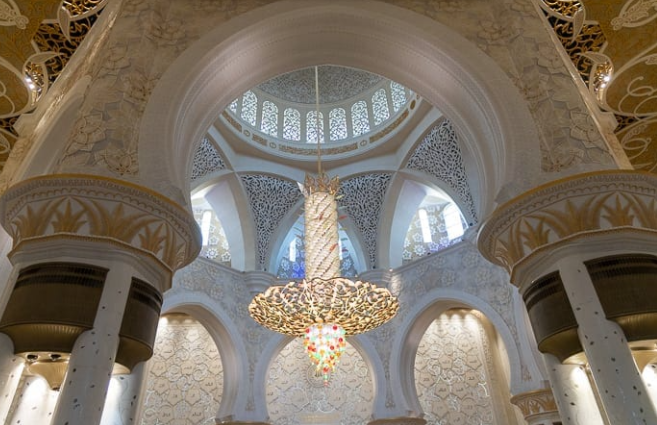
Those Jaw-Dropping Chandeliers: There are seven Swarovski crystal chandeliers throughout the mosque, but the one in the main hall is the star of the show. It’s 10 meters wide, weighs 12 tons, and when the light hits all those crystals? Pure magic. I must have stood there for 20 minutes just staring up at it.
The Marble Pillars: Over 1,000 pillars surround you, each one carved from white marble and decorated with semi-precious stones like amethyst and lapis lazuli. The detail work is insane—you could spend hours examining just one pillar.
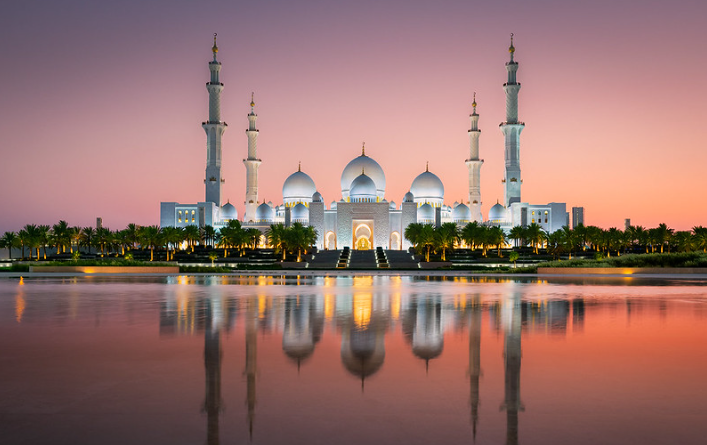
82 Stunning Domes: Look up and you’ll see 82 domes, all covered in white marble with Moroccan-inspired designs. Each one is unique, and together they create the iconic skyline that makes this mosque recognizable from miles away.
Photography Masterclass: Best Spots & Times
If you’re into photography (or even if you just want great Instagram shots), timing is everything here.
Golden Hour Is Pure Magic: Show up about an hour before sunset, and you’ll understand why photographers lose their minds over this place. The way the light bounces off that white marble creates this warm, ethereal glow that’s absolutely stunning. I’ve been three times, and sunset is still my favorite.
Nighttime Is a Different Beast: Stay until after dark and watch the transformation. The lighting system turns on, and suddenly the whole mosque is reflected in the surrounding pools. It’s like seeing a completely different building. Bring a tripod if you have one—these shots need a steady hand.
The Secret Viewpoint: Walk across the street to the Wahat Al Karama Memorial. From there, you get this incredible wide shot of the entire complex with the Abu Dhabi skyline in the background. Most tourists miss this spot, but it’s where the pros go.
Camera Rules: You can bring professional cameras, but if your lens is bigger than 300mm, you’ll have to leave it behind. And don’t even think about drones—they’re completely banned.
Respectful Conduct & Security Rules
The security here is tight, and for good reason. Here’s what you need to know to stay out of trouble.
Leave These at Home: No laptops, no cigarettes or lighters, no food, and no drinks. There’s security screening at the entrance, and they will make you toss anything on the banned list.
How to Behave: Keep your voice down—this is a functioning mosque, after all. No smoking (obviously), no eating, no drinking, and no public displays of affection. Basically, be respectful and you’ll be fine.
Security Is Everywhere: There’s a guard posted every 20 meters or so, and they’re watching. If your headscarf slips, they’ll ask you to fix it. If you take a photo somewhere you’re not supposed to, they’ll make you delete it. They’re polite but firm, so just follow their instructions.
Frequently Asked Questions
Is the mosque really free? Yep, completely free. You just need to register online first to get your entry pass.
Can non-Muslims visit? Absolutely! The Sheikh Zayed Grand Mosque Abu Dhabi welcomes everyone, regardless of their religion. It’s actually part of their mission to promote understanding between different faiths.
Do I need a tour guide? Not at all. You can wander around on your own and soak it all in at your own pace. But if you want more context about the history and architecture, there are free guided tours that start every hour on the hour.
What about shoes? Sandals are fine to wear there, but you’ll need to take off all footwear before entering the prayer halls. Don’t worry—there are designated areas to leave your shoes.
Make This Visit Count
Look, I could tell you that the Sheikh Zayed Grand Mosque is just another item to check off your Abu Dhabi travel guide list, but that would be selling it short. This place is special. It’s not just about the record-breaking carpet or those massive chandeliers—though those are incredible. It’s about what the mosque represents: tolerance, respect, and the idea that beauty can bring people together across cultures and religions.
My advice? Plan to go either early in the morning when it’s cooler and quieter, or time it for sunset so you can catch that golden hour magic I mentioned earlier. Give yourself at least two hours to really explore and appreciate everything. And seriously, sort out that dress code before you go—it would be a shame to travel all that way and not get inside.
Trust me, this is one of those experiences that’ll stick with you long after you leave the UAE.